Contents
- 1 What’s in E-waste?
- 2 E-Waste Facts and Stats in the USA
- 3 Minimizing E-waste
- 4 E-waste Legislation Regularly
- 5 Sad Facts About E-waste
- 6 Is Recycling the Answer?
- 7 E-waste Recycling Facts
- 8 Companies Should Create Products with Prolong Lifespan
- 9 Big Companies Should take Big Step Toward Embracing Change
E-Waste or electronic waste describes electronic devices or electrical appliances that are discarded—used electronics destined for reuse, resale, refurbishment, or salvage recycling.
Notebooks and Flat-panel computer monitors often contain mercury in their bulbs. Cathode ray tubes are also present but not always at dangerous levels – on average, one pound per TV or monitor is safe enough. However, any amount over 4 pounds can lead to toxicity when released into the environment.
E-Waste Facts and Stats in the USA
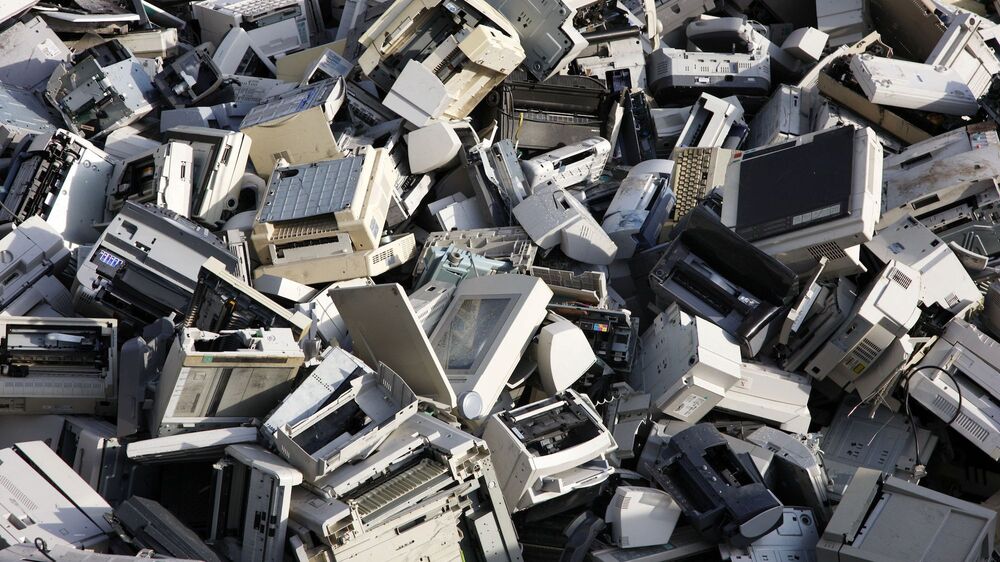
The United States is dumping an increasing amount of electronic waste each year, but less than 20% are recycled. In 2005 alone, we discarded 47 million computers, making up just 2 percent of total Toxic Waste in landfills!
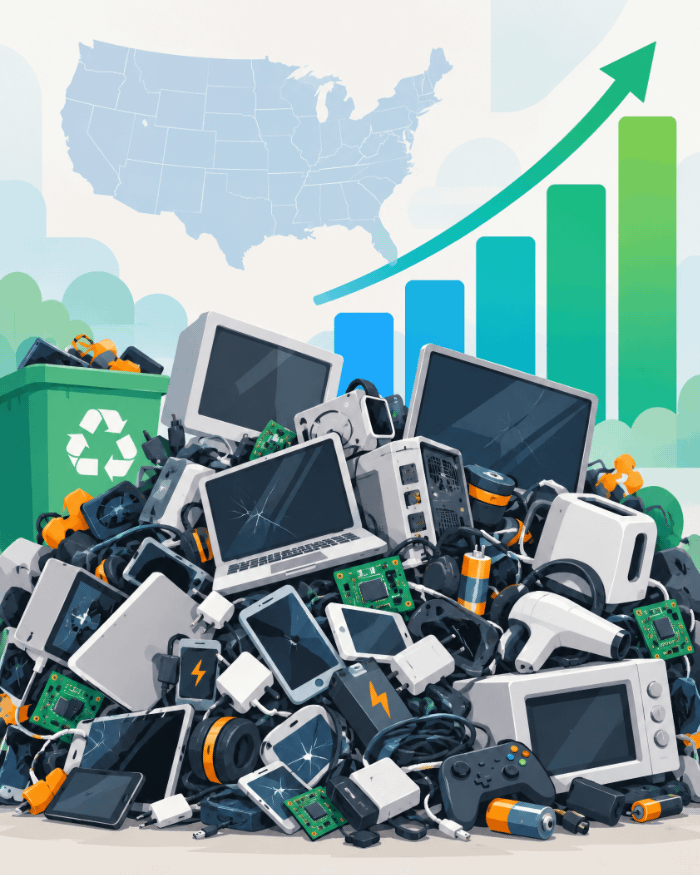
This trend increases exponentially as processing power increases every two years, so there will be even more old computer abandonments within the next few decades unless something changes soon. For example, if we decide to recycle thousands of cell phones, we stand the chance of reducing greenhouse gas emissions that are equivalent to taking over 1000 cars off the road for a year and a half.
Minimizing E-waste
Minimizing waste helps conserve resources and reduce carbon emissions from mining more metals such as aluminum or magnesium for old devices like yours when they’re already mined out at current rates by companies who don’t want them anymore!
Upcycling old cell phones is a great way to reuse all the precious metals and plastics in them, and it would save as much energy as flipping off 24,000 US homes for an entire year! The average American household has one electronic device ready to be disposed of, but this could fill almost five football stadiums with electronics waiting their turn at recycling centers. Here is what you or your company can do:
- Re-evaluate Before Purchase: you don’t need an additional gadget, instead go for devices with multiple functions.
- Extend The Lifespan of Your Electronics: keep your device clean and cased and avoid overcharging batteries.
- Go for Bio-Friendly Electronics: go for products certified by the Electronic Product Environmental Assessment Tool (EPEAT) or labeled Energy Star.
E-waste Legislation Regularly
The European Union banned the disposal of e-waste in the 1990s, and current laws are in place to hold manufacturers responsible for its proper treatment. Large amounts have been sent overseas where the environmental standard makes processing more profitable, and so far, 80% has come back across international borders to America alone!
There is currently no federal law regulating this issue except at the state level, which means 24 out of 50 states still allow some form of recycling or take-back programs, but only if they pass specific legislation that was first introduced last year by the California Senate.
Bill 595 requires that all retailers who sell products containing lead-acid batteries discarded within six months must provide an education program on how to handle hazardous material. Before you point your finger at the other side of the aisle, make sure to consider that e-waste recycling is a bipartisan issue.
For example, 2019’s “Secure E-Waste and Recycling Act” (SEERA) was introduced in both houses with a Democratic sponsor as well as several Republicans who have signed onto this important bill focused on limiting export types after it was revealed that counterfeit parts were found among Air Force cargo planes back in 2012.
The input contains information about different bills being proposed because people from all over care about improving these environmental concerns.
SEERA has ensured that we aren’t exporting e-waste to other countries, most notably China. By stopping this flow of waste beyond our borders, US companies reduce the risk of it coming back in as counterfeit goods, potentially becoming part of a supply chain for military electronics and threatening national security.