Contents
- 1 What is wasted food, and where does it come from?
- 2 What are the Benefits of Sustainable Food Management?
- 3 Situations When Food Get Wasted By Americans:
-
4 TIPS TO REDUCE FOOD WASTE AT HOME
- 4.1 (i) Review how much Food you’re Buying at a Time
- 4.2 (ii) Be Smart with the Dates on your Food Packages
- 4.3 (iii) Store your Foods Well
- 4.4 (iv) Blend Foods When You Can
- 4.5 (v) Review how well the Foods in your Refrigerator or Freezer are Arranged
- 4.6 (vi) Review the Special Preservation Solutions that you can Utilize in your Home
- 4.7 (vii) Review the Serving Sizes for whatever you plan on using
-
5 FAQs
- 5.1 Q. Does the United States have a waste and food loss reduction goal?
- 5.2 Q. How is food waste defined in the context of the United States?
- 5.3 Q. Who is invited to join the United States Food Waste Challenge?
- 5.4 Q. What is the United States Food Loss and Waste 2030 Champion?
- 5.5 Q. How does a company become a United States Food Loss and waste 2030 Champion?
- 5.6 Q. How much food waste is there in the United States, and why does it matter?
- 5.7 Q. How can participants join in the United States Food waste Challenge?
- 6 Sources of Statistics:
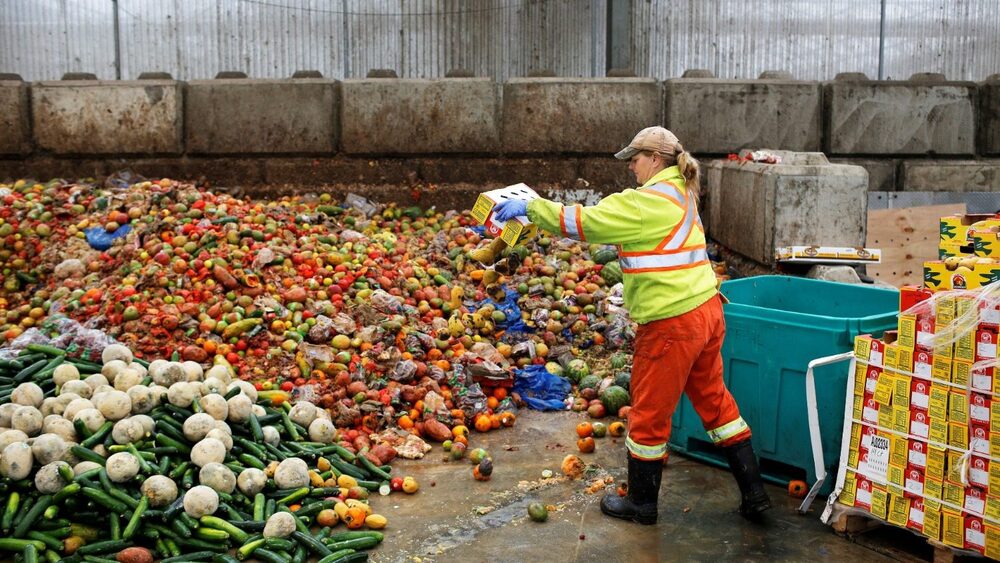
This is a sad but true statistic. Approximately 40% of all produce in the US goes to waste – about $160 billion (60 million tons) worth annually, an amount that constitutes “one-third” of food produced is thrown away each year.
The wasted food in your home can add up after a while. All that food you throw out will cause you to waste money, what with you spending more money on food when you should have been eating the stuff that you already have. The UN Food & Agriculture Organization estimates an average figure of 3 trillion dollars of food grown is wasted or lost.
What is wasted food, and where does it come from?
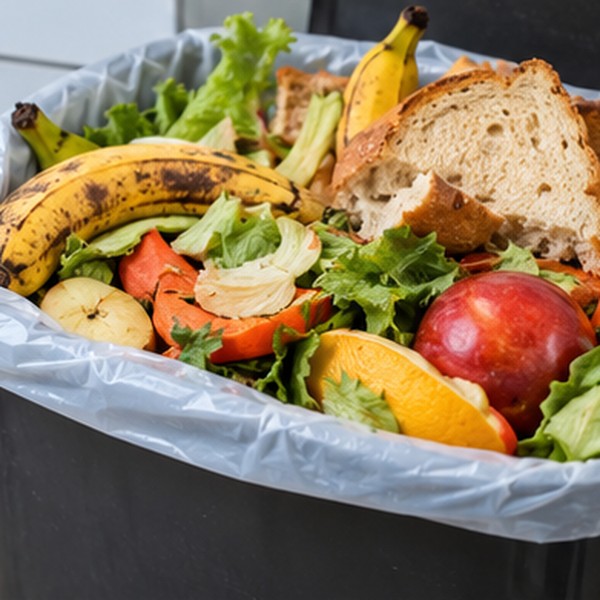
The phrase “wasted food” describes all of the uneaten and unused meals generated by restaurants, cafeterias, households, or retail stores. These foods may be donated for a cause like feeding people in need; they could also end up as an animal feed in an organic farm where they will provide nutrients needed to grow healthy animals from sustainable practices. Some individuals even turn their trimmings into compost, while others send it off-site using different digestion technologies.
The UNEP’s 2021 Food Waste Index found that 931 million tonnes of food were generated last two years (2019). 61% came from households, 26% came from restaurants, and 13% originated from retail stores like grocery chains or bakeries.
EPA uses the term “wasted” instead, which implies a valuable resource has been wasted. While “food waste” may seem appropriate, it focuses on what happens after consumers have done their part in keeping kitchens clean: cooking up too many meals only to see them go uneaten due to lack of interest by people who are not hungry enough.
- Excess Food is Food recovered and given to the needy
- Food waste can also be referred to as plate waste (i.e., uneaten dishes), peels or spoiled food and rinds considered inedible and left to decompose, feed to animals, combusted with energy recovery, or used as landfill.
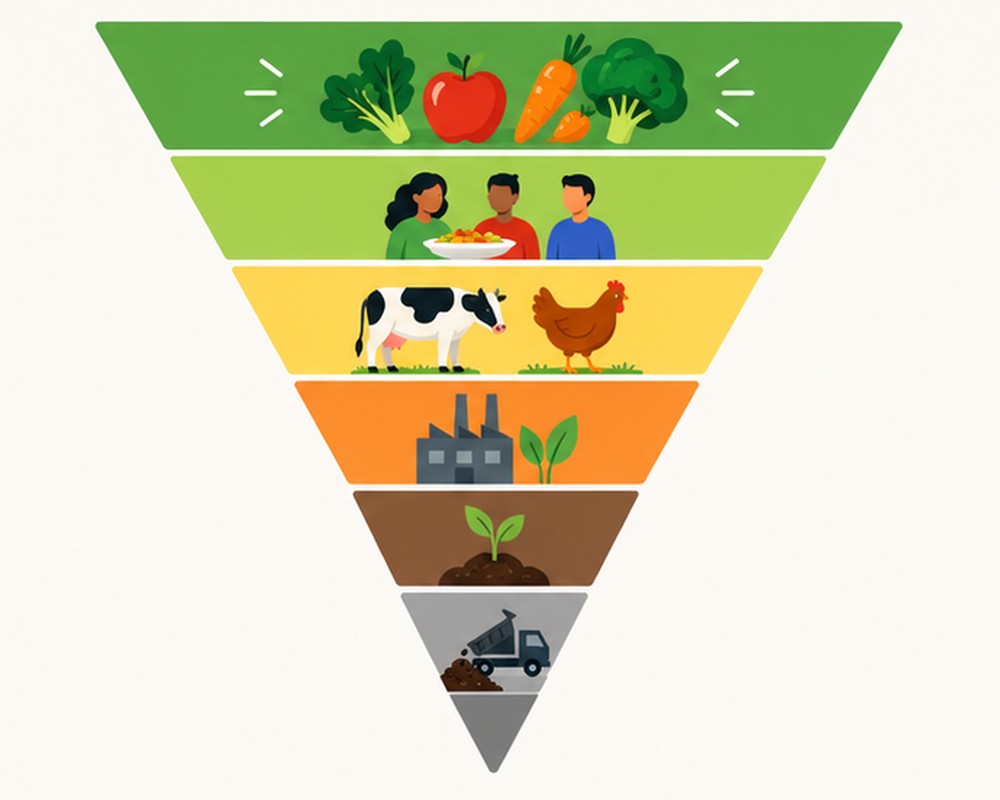
- Food loss is a phrase that refers to unused products from the agricultural sector. The EPA encourages anyone managing wasted food to reference a Food Recovery Hierarchy when deciding how best to use excess that cannot be put through higher levels or sent off into composting. This food breaks down with help from anaerobic bacteria and produces methane gas as its byproduct.
What are the Benefits of Sustainable Food Management?
The production of wasted food in our modern society is an untapped opportunity. In 2018 alone, EPA estimates that at least 63 million tons of perfectly good nutritious produce go to waste – with about 32 percent being managed by animal feed or bio-based materials/biochemical processing systems like composting!
In 2021, it was estimated that in the United States, more meals are sent to combustion facilities and landfills compared to other materials in our day-to-day trash. Approximately 24% of landfilled and 22% of the total amount are combusted for energy recovery.
Food waste is a massive problem in our homes and communities and across the world. But you don’t have to worry for long when some simple steps can make all the difference! Reducing wasted food will help save resources and it’s good news all around because it’s beneficial to the economy, environment, and communities. To this end, when we waste food, we miss an opportunity to save consumer’s money and save other businesses:
A. Saving Money
- Pay Less for Trash Pickup: companies stand the change to pay less for trash pickup by storing wasted food out of garbage.
- Receive additional Tax benefits: If you donate safe, healthy, and edible food (items) to the needy, your company can claim tax benefits.
- Spend less by wasting less: if your company can find creative ways to prevent/ reduce waste, you stand the chance of spending less by buying only food items you will use. The fact is, preventing food wasted can cut down the cost of labor and energy associated with throwing away good food.
B. Helping People
Recovering and preventing food waste may be the missing link that makes all the difference in your community:
- Feed People, Not Landfills – Donating food to those in need is an act that goes a long way. There are many organizations out there who can use your help, and they’re waiting for it! Contact a local food rescue group or Feeding America for information on how you could get involved with donations and what types of foods your organization can donate.
- Feed Children – By redirecting food that would otherwise go to waste, we can help feed our country’s children. The US Department of Agriculture National School Lunch Program provides nutritionally balanced, low-cost, or free lunches for 31 million kids each school day!
- Create Job Opportunities – The number of people employed in the food recycling industry has increased tremendously since 2008, and it is predicted that this growth will continue for many years to come. By recovering waste or unused foods through donation, salvage processing, industrial reuse (e.g., cattle casings), and composting, we can strengthen our infrastructure while creating jobs supporting local economies and promoting innovation.
- Feed the World – Imagine a world where every person has enough to eat. This is not an impossible dream; it can be a reality with the right steps now and in years ahead! According to stats conducted by the Food & Agriculture Organization states that from 2012 to 2014, there were about 805 million hungry people on earth, and by eliminating food waste, we would have sufficient resources for all those who currently lack adequate nourishment- including 2 billion kids suffering from chronic malnutrition. They further predicted that we wouldn’t need any increase in production or pressure on natural resources due to the newfound abundance.
C. Conserving Resources
Reducing wasted food contribute remarkably to the environment:
- Reduce Methane from Landfills – When food goes to the landfill, it’s like tying up your groceries in a plastic bag. The nutrients never make their way back into the soil and instead rot away, producing methane gas as waste which adds more greenhouse gases onto an already warm planet!
- Save Resources – Wasted Food, water, energy, labor, pesticides, gasoline, and fertilizer use in food production.
- Return Nutrients to the Soil – if you can’t reduce, prevent or donate wasted food for some reason, you can alternatively compost by sending scraps to a composting facility or by using them in a landfill; this way, you help increase the nutrient on the soil. When scrap food is composted properly, they improve soil structure, support more native plants, and increase soil retention, reducing the need for pesticides and fertilizers.
Situations When Food Get Wasted By Americans: